
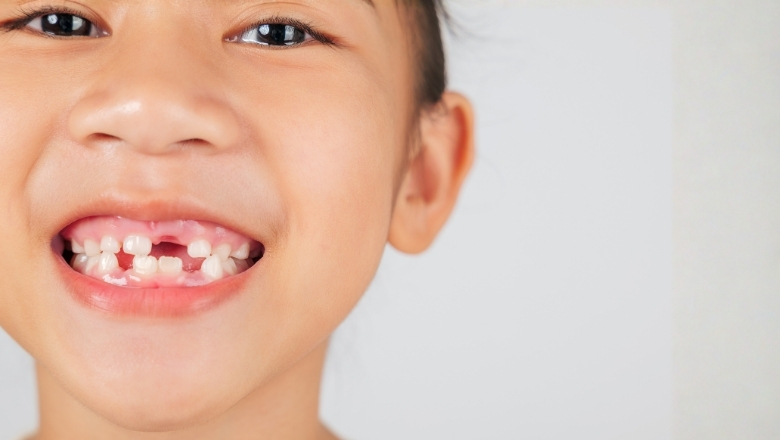
For parents, every first milestone feels significant. First smile, first word, first wobbly step across the living room floor. When that first tiny tooth pushes through the gum, most parents celebrate it, photograph it, and then carry on without giving much thought to what it means for their child’s health. What that first tooth is actually signaling, however, is that a dental visit is now due.
For generations, families assumed the pediatric dentistry expert came into the picture around age three. Modern infant dental care guidelines have shifted that thinking considerably. Leading dental and pediatric health organizations now recommend scheduling a baby’s first dentist appointment by age one, or within six months of that first tooth appearing. For families across Bainbridge Island, Poulsbo, Silverdale, Gig Harbor, and Seabeck, this is no longer a fringe recommendation, but the standard.
According to the Centers for Disease Control and Prevention, cavities affect nearly one in five children between the ages of two and five, making tooth decay one of the most common chronic childhood conditions in the country. Starting dental care early is the most straightforward way to keep your child out of that statistic.
What Is the “First Tooth, First Visit” Rule?
The first-tooth-first-visit rule is exactly what it sounds like: the moment the first tooth appears, it is time to book a dental appointment. The visit is not about drilling or fillings. It is about making sure that the tooth and everyone who follows it get the best possible start.
What a dentist looks at during this early stage of infant oral health:
- Whether teeth are coming through in the right sequence and position
- Early signs of decay or gum irritation
- Feeding habits and dietary patterns that could affect tooth development
- Whether thumb sucking or pacifier use needs to be discussed
- What the parents’ home hygiene routine currently looks like
The first dental visit at age 1 is built around prevention rather than treatment, which is precisely why it works.
Who Recommends the Age 1 Dental Visit?
This is not a recommendation from one organization. It is a position shared across the most respected names in pediatric and dental health in the United States.
| Organization | Their Recommendation |
| American Academy of Pediatric Dentistry | First dental visit by age one |
| American Dental Association | Visit within six months of the first tooth |
| American Academy of Pediatrics | Oral health assessment before the first birthday |
The National Institute of Dental and Craniofacial Research has documented that untreated cavities in young children can lead to pain, infections, and difficulty eating or speaking at a stage when proper nutrition and communication development matter enormously.
Early visits exist to prevent those outcomes.
Why Age 1? The Science Behind Early Dental Visits
1. Early Detection of Dental Issues
A pediatric dentist can identify concerns that parents would never notice at home, often months before they become visible or symptomatic.
What early detection can catch:
- Enamel weaknesses that make teeth more cavity-prone
- Bite development patterns that may need monitoring
- Early decay that responds well to simple intervention
- Gum inflammation that can be addressed before it progresses
According to the CDC, tooth decay in baby teeth can develop quickly once teeth emerge, and the window for low-intervention treatment is shorter than most parents realize.
2. Preventing Baby Bottle Tooth Decay
One of the most important conversations during a first dental visit is about feeding habits. Baby bottle tooth decay develops when teeth are regularly exposed to sugary liquids, such as milk and formula, especially overnight.
Habits that increase the risk:
- Putting a baby to sleep with a bottle
- Night feeds without cleaning the mouth afterward
- Regular juice consumption throughout the day
3. Establishing a Dental Home
A dental home means your child has a consistent provider who knows their history and growth pattern, rather than seeing a different face every time something goes wrong. For families seeking reliable pediatric dentists that families can return to year after year, establishing that relationship early makes every subsequent visit easier for the child and more informative for the parent.
Is Dental Sedation Safe for Children?
This is one of the questions parents most commonly arrive with, and it deserves a direct answer. According to the American Academy of Pediatric Dentistry, sedation techniques, including nitrous oxide, are considered safe when administered by properly trained professionals in a pediatric setting.
Situations where sedation may be recommended:
- A child who is too young to cooperate comfortably during treatment
- Extensive dental work that cannot be completed in a standard visit
- Children with anxiety or special healthcare needs
Dentistry For Children evaluates each case individually and walks parents through every available option before any decision is made, with sedation ranging from nitrous oxide to general anesthesia when genuinely necessary.
What Happens at a One-Year-Old’s First Dental Visit?
The visit is gentler and shorter than most parents expect. It is not a scaled-down version of an adult dental appointment. It is something designed specifically for infants.
| Step | What Actually Happens |
| Greeting and introduction | The team helps the baby settle and feel comfortable |
| Oral examination | Teeth, gums, and jaw development are gently assessed |
| Cleaning if appropriate | Light cleaning or fluoride application if recommended |
| Parent education | Brushing technique, diet guidance, and teething advice |
| Open discussion | Parents ask questions about habits or anything they have noticed |
For families seeking children’s dentistry providers in Poulsbo, Gig Harbor, Seabeck, or the nearby areas, the first visit is primarily about education and reassurance rather than any clinical procedure.
Common Concerns Parents Have (And Reassurance)
“Isn’t That Too Early?”
By age one, many babies already have several teeth and oral bacteria that can affect those teeth. Early care means staying ahead of problems rather than catching up to them.
“What If My Baby Cries?”
Pediatric dental teams work with infants every day and are trained to manage exactly this. Most first visits are over in a matter of minutes, and a baby who cries through their first appointment often sits perfectly still by their third.
“They Only Have One Tooth!”
That one tooth has already created the conditions for decay to begin. A dental visit for one-year-old children ensures that even that single tooth is developing correctly and that the ones coming after it have the best environment for eruption.
The Long-Term Benefits of Starting at Age 1
Children who begin dental visits in early childhood consistently show better oral health outcomes than those who start later.
What the research shows:
- Fewer cavities across the childhood years
- Less need for extensive restorative treatment
- Lower overall dental costs over time
- Greater comfort with dental visits as they grow older
A study published by the American Academy of Pediatric Dentistry found that children who visit the dentist by age one have treatment costs roughly 40 percent lower over the following five years compared to children who begin dental care later. For families seeking experienced pediatric dentists in Kitsap locations, starting early is one of the most cost-effective decisions a parent can make.
Signs Your Baby May Need an Even Earlier Visit
Most children follow the age-one guideline comfortably, but certain signs warrant earlier intervention.
When to call before the first birthday:
- White or brown spots appearing on teeth
- Persistent gum swelling or irritation
- Teeth erupting noticeably later than expected
- A strong family history of early cavities or enamel problems
For families exploring pediatric dentists in Bainbridge Island or Gig Harbor, an early consultation is always the right call.
Tips for Preparing Your Baby for Their First Dental Visit
What tends to make the visit go smoothly:
- Book the appointment during the time of day when the baby is usually at their best
- Bring a familiar toy or comfort item from home
- Keep your own tone easy and positive in the days before the visit
- Let the dental team lead the interaction with the child rather than directing it yourself
Pediatric offices are designed around making children comfortable, and the team genuinely knows how to read and respond to what a baby needs in that environment.
At-Home Oral Care Before Age 1
Good oral health habits start well before the first dental appointment and well before the first tooth.
| Stage | What Parents Should Do |
| Before any teeth appear | Wipe gums gently with a soft damp cloth after feeds |
| First tooth comes through | Switch to a soft baby toothbrush with water |
| Around age one | Introduce a small smear of fluoride toothpaste |
| Ongoing daily routine | Brush morning and night consistently |
Families searching for credible dentists for kids’ providers in areas like Poulsbo and Seabeck often discover that the habits built at home between visits matter just as much as the visits themselves.
A Healthy Smile Begins Earlier Than You Think
That first tooth is a milestone worth celebrating and a prompt worth acting on. If you follow the guidance on when a baby should see a dentist and book that first visit by age one, you’ll have a clearer idea of what your child needs and give them a healthier start.
Our pediatric dentists at Dentistry For Children serve families across Bainbridge Island, Poulsbo, Hansville, Silverdale, Belfair, Bremerton, Port Orchard, Kingston, Seabeck, Gig Harbor, and surrounding communities, offering preventive care, restorative treatment, tongue and lip tie evaluations, and sedation options in an environment built around making young patients feel genuinely at ease.
If your child’s first tooth has arrived or their first birthday is coming up, our first pediatric dental checkup is the next step. For more information or to schedule a consultation with our team, feel free to contact us at (360) 377-3844 (Bremerton) or (360) 876-9507 (Port Orchard).